Looking Beyond Recent Accounts: £150,000 Agricultural Bridge Supports an Established Arable Business
Looking Beyond Recent Accounts: £150,000 Agricultural Bridge Supports an Established Arable…

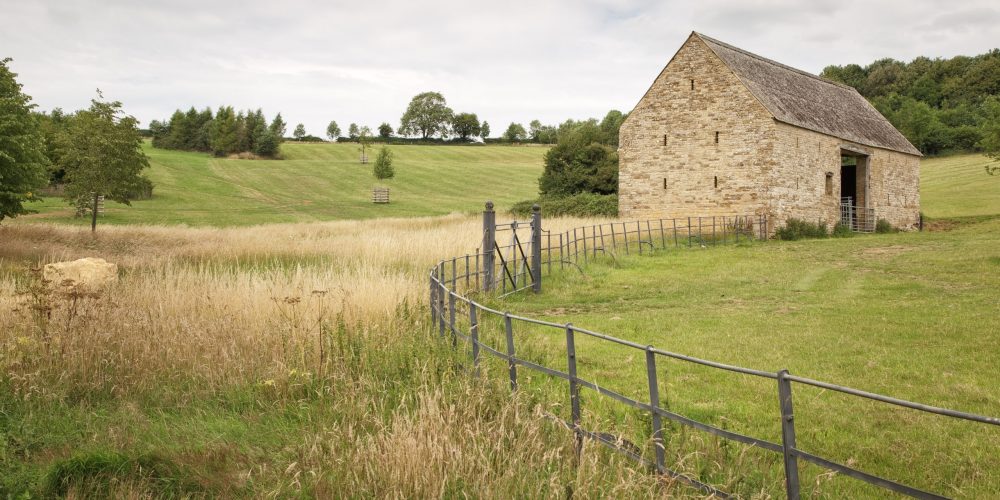

Across the North of England, more farming businesses are beginning to look at redundant agricultural property in a very different way. Structures that once housed livestock, machinery or feed are increasingly being transformed into workshops, storage units, cafés and flexible commercial spaces that generate valuable additional income.
For many farms, diversification is no longer simply about growth. It is about resilience. Rising costs, changing agricultural support schemes and ongoing pressure on profitability mean farmers are searching for practical ways to strengthen long-term financial stability without moving away from the core farming business.
Unused buildings often represent one of the biggest untapped opportunities available.
Whether it is an old stone barn in Yorkshire, a redundant livestock shed in Cumbria or underused yard space in Northumberland, many farms already possess assets with strong redevelopment potential. With careful planning and the right financial support, these buildings can become sustainable rural enterprises that provide regular income for years to come.
Diversification has become an important part of the modern rural economy. According to Defra’s latest agricultural statistics, diversified activities continue to contribute significantly to farm business income across England.
At the same time, many older agricultural buildings are no longer suited to modern farming systems. Changes in livestock housing standards, machinery size and operational requirements have left some traditional buildings underutilised or completely vacant.
Maintaining unused buildings can quickly become expensive. Roof repairs, structural deterioration and insurance costs all add up, particularly when the asset itself is generating no return.
Repurposing these buildings allows farms to turn dormant assets into productive parts of the wider business.
Importantly, commercial diversification can often provide more stable and predictable income streams than agriculture alone. Monthly rental income from workshops or storage units may help smooth cashflow during periods of commodity price volatility or difficult weather conditions.
For some farming families, these projects also support succession planning by creating opportunities for younger generations to become involved in new areas of the business.
No two projects are identical, but several clear trends are emerging across Northern farming businesses.
One of the most popular forms of diversification is the conversion of agricultural buildings into storage facilities.
Demand for rural storage remains strong from tradespeople, small businesses, caravan owners and domestic customers seeking secure space outside urban areas. Former grain stores and livestock sheds are often well suited to this type of conversion due to their size, access and existing infrastructure.
Storage developments can also offer relatively straightforward management once operational, making them attractive for busy farming businesses looking for additional income without excessive day-to-day involvement.
Rural workshops and light industrial units are also becoming increasingly common.
Many small businesses are seeking flexible premises with lower overheads than town or city locations can offer. Converted agricultural buildings are being used for joinery workshops, engineering businesses, mechanics, fabrication units and agricultural contractors.
In some areas, demand for rural commercial space is exceeding supply, particularly where good transport links exist.
This type of diversification can provide long-term rental income while supporting local rural employment and economic activity.
Some farms are taking diversification a step further by creating customer-facing businesses such as cafés, farm shops and retail units.
These developments can work particularly well where farms already attract visitors through tourism, holiday accommodation or pick-your-own enterprises.
The National Farmers’ Union continues to highlight diversification as an important way for farms to strengthen income and engage directly with consumers.
Customer-facing projects often require greater investment and operational involvement, but they can create stronger long-term value and broaden the overall business model of the farm.
The rise in remote and hybrid working has also created demand for rural office space.
Some farms are converting traditional barns into flexible offices or co-working environments for local businesses and self-employed professionals seeking quieter countryside locations.
These projects can be particularly attractive where farms are located close to market towns or commuter routes.
One of the most important considerations in any building conversion project is planning permission.
For many agricultural buildings, Class R permitted development rights may provide a simpler route to commercial conversion.
Class R allows certain agricultural buildings to change from agricultural use to flexible commercial use without requiring full planning permission, although a prior approval process is still necessary.
Potential uses under Class R can include:
There are, however, important conditions attached.
The building must form part of an established agricultural unit, floorspace limitations apply and local authorities will still assess factors such as transport impact, noise, contamination risk and flooding.
Not every building will qualify, which makes early professional advice extremely important.
Government guidance on permitted development and change of use can be found here:
UK Government Planning Guidance
The Country Land and Business Association also provides planning support and rural diversification advice for landowners considering redevelopment projects.
While repurposing existing buildings can offer excellent long-term value, conversion projects often require significant upfront investment.
Costs can include:
In many cases, projects also need working capital support during the construction and letting phase before income begins to flow.
At UK Agricultural Finance, we regularly support farming businesses seeking finance for diversification and commercial redevelopment projects. Funding structures can often be tailored around the projected income of the development and the wider financial position of the farming business.
Some clients choose phased developments, allowing buildings to be converted gradually as demand and cashflow permit. Others refinance existing assets to release capital for redevelopment while maintaining flexibility within the wider business.
The key is ensuring the finance structure aligns with realistic income projections and long-term business objectives.
While diversification opportunities can be highly attractive, successful projects require careful planning from the outset.
Farmers should consider:
It is also important to consider how commercial activity will integrate with the day-to-day operation of the farm itself.
Practical considerations such as machinery movement, biosecurity and customer access can all influence the long-term success of a project.
Repurposing redundant agricultural buildings is about far more than preserving old structures. For many farming businesses, it represents an opportunity to create reliable income streams that strengthen the future of the farm as a whole.
These projects also play an important role within the wider rural economy by supporting local employment, encouraging small business growth and keeping economic activity within rural communities.
Many farms already possess valuable assets that simply need a new purpose. With careful planning, realistic budgeting and the right financial support, derelict or underused buildings can become thriving rural enterprises that support farming businesses for generations to come.