Looking Beyond Payment History: A £185,000 Agricultural Refinance Not every agricultural…
Looking Beyond Recent Accounts: £150,000 Agricultural Bridge Supports an Established Arable Business
Looking Beyond Recent Accounts: £150,000 Agricultural Bridge Supports an Established Arable Business
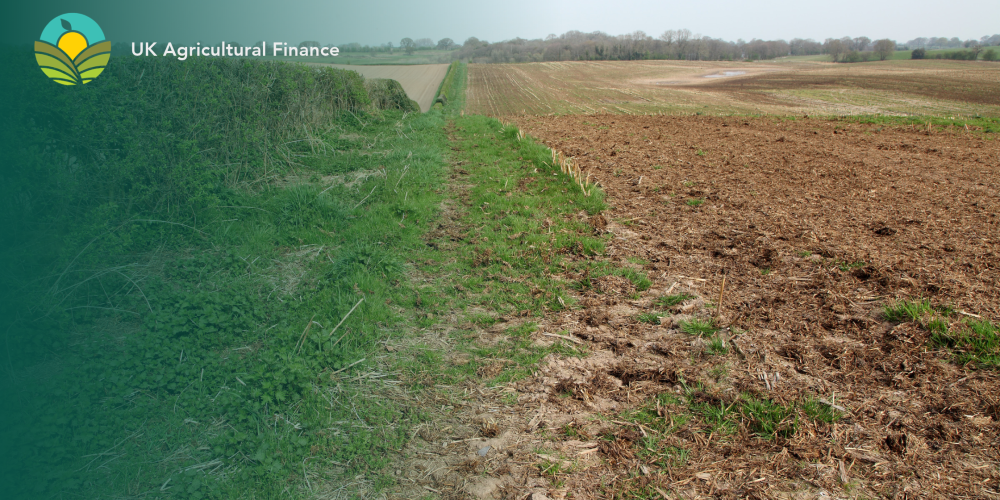
An established arable farming business needed additional working capital following a difficult period of trading. Higher operating costs, variable harvest performance and pressure on cash flow had affected recent financial results, despite the business retaining productive agricultural land, experienced management and a clear plan for its ongoing operations.
The challenge was not simply finding a lender willing to lend against agricultural property. The business needed a lender prepared to understand why historic accounts had weakened, how the farming operation worked in practice and what the funding would enable over the next few cropping cycles.
Rather than focusing on one set of weaker historic figures in isolation, UK Agricultural Finance considered the wider trading background, the underlying agricultural operation, the available security and the borrowers’ proposed route back to longer-term finance.
Looking Beyond the Latest Accounts
A conventional assessment focused narrowly on recent profitability would not necessarily have reflected the full position.
The farm remained an established agricultural operation with productive land and experienced management. Recent financial performance had been weaker, but the reasons for that deterioration could be understood in the context of higher costs, difficult harvest conditions and the timing pressures that are common in seasonal agricultural businesses.
For arable farms in particular, expenditure on seed, inputs, planting and contractors can fall well before income is received from harvested crops. A business can therefore experience significant pressure on liquidity even where the underlying farming operation remains established and productive.
UK Agricultural Finance considered what had affected historic trading, what the new funding was intended to achieve and how the borrowers expected to repay the facility at the end of the bridge term.
A £150,000 Bridging Facility
UK Agricultural Finance has agreed an approximately £150,000 bridging facility over 36 months, secured against agricultural land at an approximate loan-to-value ratio of 46%.
The facility is intended to address short-term financial commitments while providing working capital for the farming operation, including expenditure associated with establishing the next cropping cycle.
The structure includes 24 months of prepaid interest. This is designed to give the business a defined period in which to focus on trading and crop production before monthly interest servicing becomes due.
The strength of the agricultural security was an important part of the assessment. The comparatively low LTV provides substantial asset coverage while the business works to demonstrate stronger financial performance through subsequent accounts.
Why a Bridge Was Appropriate
The purpose of the facility is not to create a permanent reliance on short-term funding.
Instead, the bridge is intended to provide time and liquidity while the business continues its core farming activity and builds a stronger recent trading record for a future lending application.
That distinction matters. The lending decision did not depend on an assumption that financial performance had already recovered. Nor did it ignore the weaker historic results.
The bridge was structured because the underlying agricultural operation, the available security and the proposed repayment strategy provided a basis for giving the business time to improve its position rather than requiring that improvement to be fully demonstrated before any finance could be considered.
A Defined Route to Repayment
The primary repayment strategy is to refinance onto longer-term agricultural borrowing once improved financial performance can be demonstrated through subsequent accounts.
An asset sale has also been identified as an alternative repayment route if longer-term refinancing is not available.
Both the intended exit and the timing of future interest payments formed part of UK Agricultural Finance’s assessment. As with any bridging facility, the credibility of the repayment route at maturity remains an important consideration.
The facility is therefore designed as transition finance: a defined period in which an established agricultural business can manage current working-capital needs while working towards a more conventional long-term funding position.
What This Demonstrates
Not every agricultural bridge is linked to a property purchase, development project or expansion plan.
In some cases, bridging finance can provide an established farm with time and liquidity to work through a challenging trading period while continuing the core operation.
For brokers and rural professional advisers, this case is a reminder that recent accounts are one part of the lending picture rather than the whole of it. They still need to be understood and tested, but the underlying business, agricultural security, purpose of the funding and route to repayment are also relevant to the assessment.
As a direct principal lender, UK Agricultural Finance can consider those factors together when deciding whether a workable structure is available.
If you are advising a farming or rural business that needs working capital or time to strengthen its trading position before seeking longer-term finance, UK Agricultural Finance can consider the circumstances behind the requirement.

Related Posts