£1.38m Agricultural Bridge Supports Family Farm Turnaround and Succession A farming…
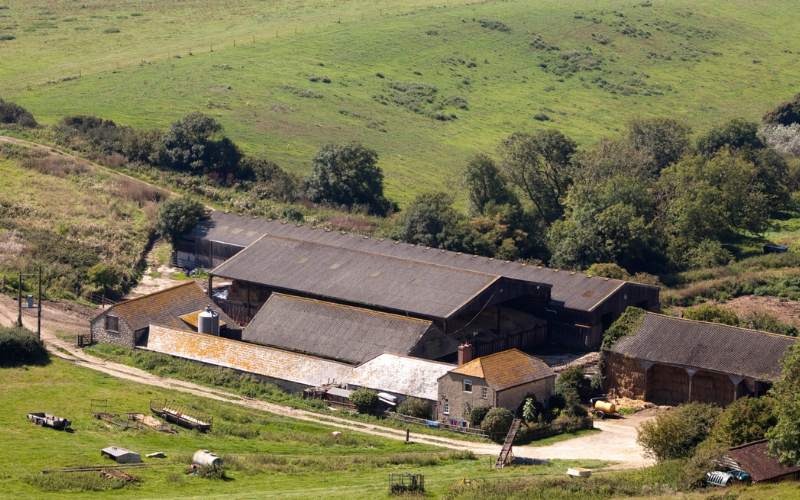
£3.35m Agricultural Bridge Supports Deleveraging for Diversified Welsh Farming Business
£3.35m Agricultural Bridge Supports Deleveraging for Diversified Welsh Farming Business

A maturing lending facility does not always mean that the underlying farming business has stopped working, but it can create a need for a new agricultural bridge to allow the farming business to succeed.
For one experienced Welsh farmer, the challenge was very different. A historic restructuring arrangement with his existing high-street lender had reached the end of its agreed term before a planned asset sale could complete.
The underlying agricultural business remained active and diversified, substantial property security was available, and there was a clear longer-term strategy to reduce borrowing through selective land sales.
The borrower required sufficient time to put that strategy into effect without being forced into decisions that could unnecessarily damage a farming business built over several decades.
UK Agricultural Finance provided approximately £3.35 million of bridging finance over 36 months, at an LTV of around 50%, secured against a substantial portfolio of Welsh agricultural property.
From a 20-Acre Holding to a Substantial Rural Enterprise
The borrower is an experienced farmer and rural entrepreneur with more than 30 years of practical agricultural experience.
Having grown up on the family farm, he initially farmed rented ground before purchasing his first holding of approximately 20 acres.
Over subsequent decades, a combination of farming, strategic land purchases, improvements and property development enabled him to build a much larger diversified rural enterprise.
Today, the wider business incorporates sheep, poultry and beef production alongside holiday accommodation and property income.
This diversification has become an important part of the strength of the business.
An Established Mixed Farming Operation
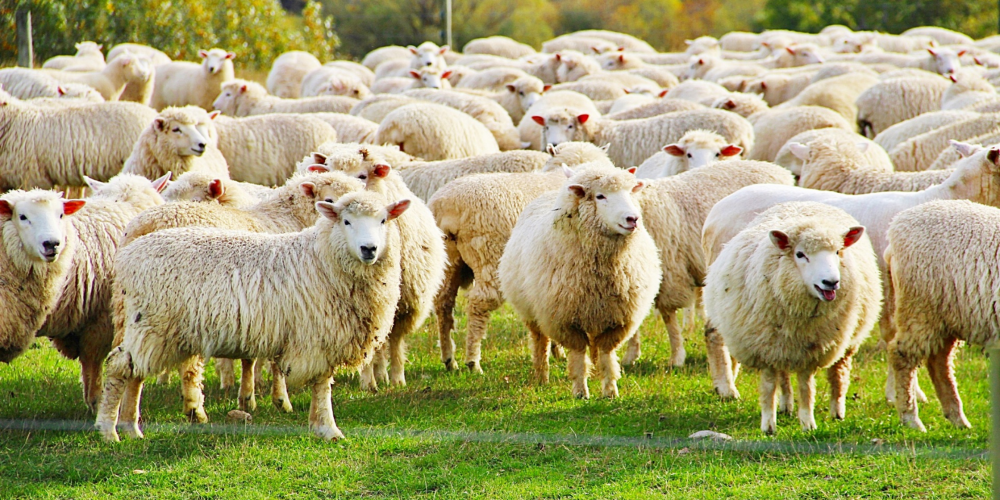
Sheep remain an important part of the agricultural enterprise.
The borrower operates an established finishing system, purchasing approximately 3,000 store lambs annually and managing a substantial flock.
During her site visit, UK Agricultural Finance Business Development Manager Sue McIntosh-Gibbs saw the infrastructure supporting the enterprise and gained a clearer understanding of the borrower’s approach to livestock production.
Modern handling facilities, automated systems and efficient cleaning arrangements support animal welfare and allow stock to move efficiently through the business.
The borrower has also established strong relationships within the local livestock sector, with repeat buyers recognising the quality and consistency of the animals produced.
Alongside sheep production sits a modern poultry enterprise.
Existing free-range broiler units incorporate automated feeding, environmental controls and biomass heating. Planning permission has also been obtained for additional poultry accommodation, creating an opportunity for further growth during the term of the facility.
The beef enterprise has evolved too.
Rather than maintaining a larger conventional cattle operation, the borrower has reduced numbers and concentrated increasingly on higher-value premium animals, including Wagyu beef sold into the local market.
The aim is to increase return per head while reducing some of the labour and management demands associated with a larger herd.
Diversification Beyond Agriculture
The borrower has also developed a significant rural tourism and property business.
A range of holiday lodges, glamping accommodation and other letting properties provide a valuable income stream alongside farming.
The accommodation benefits from repeat business and has historically achieved very strong occupancy during peak periods.
This means the wider enterprise is not reliant upon the performance of a single agricultural sector.
Livestock, poultry, tourism and property each contribute to the business, while the borrower continues to develop opportunities to improve profitability across the estate.
Why Was Refinancing Required?
The immediate requirement arose from a historic interest-only restructuring arrangement with the borrower’s existing lender.
The facility had been agreed for a defined period, during which the borrower intended to sell selected assets and reduce debt to a level that could subsequently support more conventional agricultural borrowing.
One substantial disposal planned for 2025 progressed towards completion but ultimately fell through.
That meant the expected reduction in borrowing did not take place before the existing lending arrangement reached maturity.
The underlying issue was therefore not simply a failing farming operation.
The business continued to trade, but the borrower needed additional time to implement the asset-sale strategy and move towards a lower level of leverage.
A £3.35m of Agricultural Bridge Loan
UK Agricultural Finance agreed a 36-month agricultural bridge facility of approximately £3.35 million, with 12 months of interest prepaid.
The facility was structured at around 50% LTV and secured against more than 775 acres of agricultural property in Wales.
The security included farmland, hill ground, woodland, silage land, farmyards, agricultural buildings, poultry infrastructure and a farmhouse.
The principal use of the facility was to redeem the existing high-street bank borrowing.
A smaller proportion of the funds was allocated towards constructing a new agricultural shed, supporting continued investment in the working farm.
The site visit confirmed that the agricultural assets were well maintained and operationally active.
It also reinforced an important part of the repayment strategy: the borrower owns a sufficiently substantial land portfolio to make selective disposals without necessarily undermining the core farming enterprise.
Creating Time for an Orderly Deleveraging Strategy
Four parcels of land have initially been identified for disposal, with anticipated proceeds of approximately £1.62 million intended to materially reduce the UK Agricultural Finance facility.
The borrower also made clear during the site visit that he was not fixed solely on those particular parcels.
If stronger opportunities arise elsewhere within the estate, alternative assets could be sold instead.
That flexibility matters.
Rather than relying upon a single property transaction, the strategy is supported by a sizeable portfolio of agricultural assets and a borrower with previous experience of buying, improving and realising property when appropriate.
Demand from neighbouring farming businesses looking to expand their holdings also supports the anticipated market for agricultural land in the area.
Following the planned debt reduction, the borrower intends ultimately to refinance onto a more conventional mainstream agricultural facility.
Planning for the Next Stage of the Farming Business
The finance also sits within a wider transition strategy.
In the immediate future, the borrower intends to continue improving farm profitability through increased poultry production, premium livestock sales and further development of the holiday accommodation business.
An additional poultry unit is expected to provide another source of income during the loan term.
At the same time, the borrower is gradually reducing the extent to which the businesses rely solely upon his own day-to-day involvement, with experienced employees and contractors taking greater responsibility.
Longer term, the farming operation could move towards a share-farming or Farm Business Tenancy structure.
That would allow the borrower to retain an income from agricultural assets while progressively stepping back from the operational demands of running such a substantial enterprise.
Looking Beyond the Maturity Date
This case demonstrates an important distinction in agricultural refinancing.
The expiry of an existing facility does not necessarily mean that the underlying business or assets are fundamentally weak.
Here, UK Agricultural Finance was considering an experienced agricultural operator, a diversified rural business, substantial asset coverage at around 50% LTV and a credible plan to reduce borrowing.
There are risks to manage. Asset disposals need to take place within the available timeframe, and the business needs to continue improving profitability.
But there is also flexibility.
The borrower has a substantial estate, several sources of income, further growth potential within poultry and tourism, and the ability to consider alternative asset sales if circumstances change.
The bridging facility therefore provides something particularly valuable: time to undertake an orderly transition rather than being forced into short-term decisions simply because an existing lending arrangement had reached the end of its term.
For agricultural businesses with substantial assets but a finance structure that no longer fits their circumstances, understanding both the immediate refinancing requirement and the realistic longer-term route to repayment is essential.

Related Posts