
From Pasture to Product: Adding Value Through On-Farm Beef Processing
Beef farmers across the UK – and particularly here in the South West – are under growing pressure to make their businesses more resilient. Rising input costs, unpredictable market prices, and increasing demands around traceability and environmental compliance mean that traditional routes to market often don’t provide the returns they once did.
But with challenge comes opportunity. For many beef producers, one of the most promising ways to protect and grow their business is to take more control of the supply chain. On-farm meat processing, whether through a meat box scheme, a small-scale butchery, or launching a branded product line, is emerging as a powerful diversification route. It allows farmers to extract more value from every animal, build closer relationships with customers, and tell the story behind their produce.
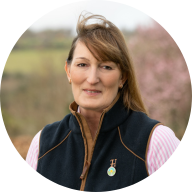
I understand the financial and regulatory hurdles that can make it feel out of reach. In this blog, I’ll walk through the key options for on-farm beef processing, what’s involved, and how UK Agricultural Finance can help make it possible.
Why Process Your Own Beef?
At its core, on-farm beef processing is about value-added agriculture – turning a raw commodity into a premium product. It’s about capturing the margin that typically goes to processors, wholesalers, and retailers. More importantly, it’s about creating a business that’s futureproofed, with a direct connection to the customer and more stable revenue streams.
Today’s consumers are increasingly interested in provenance, welfare, and sustainability. They want to know where their food comes from, how it was raised, and who produced it. That creates a fantastic opportunity for farmers who are willing to engage directly with the market.
Diversification Routes: From Simple to Sophisticated
Depending on the scale and ambition of your operation, there are several ways to add value through processing:
1. Meat Box Schemes
A popular starting point, meat box schemes involve selling pre-packed cuts of beef directly to customers – often via monthly subscriptions or farmers’ markets. This model can be run in partnership with a local abattoir and butcher, requiring minimal initial investment.
Box schemes allow you to test demand and refine your offering without committing to expensive infrastructure. It’s also an excellent way to gauge the appetite for your story and brand.
2. On-Farm Butchery
Setting up a cutting room or small butchery on your farm gives you full control over the final product – from presentation to pricing. While this route involves more capital expenditure (think chillers, hygiene-compliant spaces, and staff training), it also opens up the possibility to innovate with value-added products like burgers, sausages, or charcuterie.
For farms with existing buildings suitable for conversion, this can be an efficient way to scale up and retain all processing margins in-house.
3. Branded Product Lines
Creating a branded line – whether under your farm name or a new identity – takes your offering into the retail or hospitality sector. This could include supplying farm shops, delis, pubs, or restaurants. With good branding and a strong backstory, you can command a price premium and establish customer loyalty.
This route does require investment in marketing, packaging, and potentially distribution, but it also opens the door to longer-term growth.
Understanding the Regulations
Meat processing, even on a small scale, is tightly regulated – and rightly so. Before beginning operations, you’ll need to:
- Register as a food business operator with your local authority.
- Gain approval from the Food Standards Agency (FSA) if you’re handling meat on the premises.
- Ensure all facilities meet hygiene and safety standards.
Useful links include:
FSA Approval Process
GOV.UK Guidance on Plant Approval
Navigating the red tape can be daunting, but there’s plenty of guidance available, and the long-term benefits often outweigh the complexity of getting started.
Funding the Infrastructure: Tailored Support from UK Agricultural Finance
A key challenge for many farmers is funding the infrastructure required – whether that’s converting an old building, buying chillers and equipment, or investing in branding and packaging.
At UK Agricultural Finance, we specialise in lending to the rural and agricultural sector. We understand that farms often have strong assets but lack immediate liquidity for diversification projects. Our loans are tailored to your needs, offering:
- Finance for buildings, plant, and equipment.
- Support for diversification, recovery, or restructuring.
- Flexible terms to match your business cash flow.
What to Consider Before You Begin
On-farm beef processing isn’t a decision to take lightly. Ask yourself:
- Is there a local or regional demand for your product?
- Do you have (or can you build) the skills to handle processing, marketing, and sales?
- Are you prepared for the regulatory responsibilities?
- Do you have the time and staffing capacity to support the new venture?
Done well, this is more than a sideline, it’s a whole new business.
Ready to Take the Next Step?
For beef farmers in the South West, on-farm processing is a compelling way to add value, increase resilience, and build something with long-term potential. It allows you to take pride in the full journey, from pasture to product, and to connect more deeply with the people who enjoy your produce.
If you’re thinking about diversification, I’d be delighted to have a conversation about your plans and how UK Agricultural Finance can help bring them to life. Every farm is different – and so is every loan we offer.
Let’s talk about what’s possible.