Farm Succession: Planning the Finance as Well as the Tax Farm…
Rural Estates in 2026: Balancing Conservation and Commercial Growth
Rural Estates in 2026: Balancing Conservation and Commercial Growth
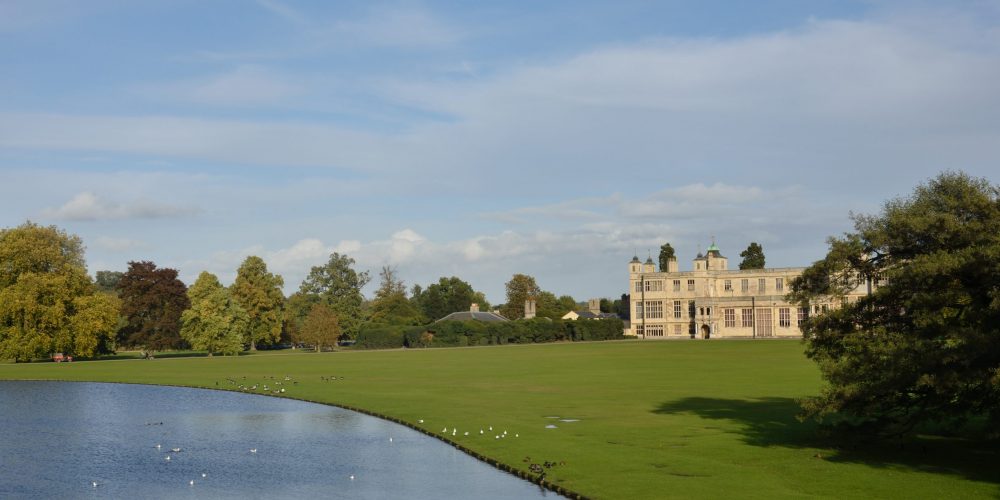
Managing rural estates has always required a careful balance between tradition and progress. In 2026, that balance is becoming even more complex and more rewarding. Landowners today are not just caretakers of historic buildings and countryside; they are stewards of biodiversity, sustainability, and rural enterprise.
For estates across the Midlands and beyond, the challenge is clear: how to protect and enhance the natural environment while ensuring the estate remains commercially viable for future generations.
The Shifting Landscape for Estate Owners
Government policy, environmental regulation and public expectations are reshaping the rural landscape. From biodiversity net gain requirements to the Environmental Land Management schemes (ELMs), estates are being encouraged, and in some cases required, to prioritise conservation and climate resilience.
At the same time, traditional sources of income such as farming rents or sporting rights are increasingly under pressure. This means rural estates are having to think more strategically than ever about diversification and land use.
The good news? With the right approach, environmental and commercial aims do not need to be in conflict. In fact, the most resilient estates in 2026 are those that are blending the two.
Conservation in Action: What Are Estates Prioritising?
Some of the most popular and impactful conservation-led activities on estates today include:
- Rewilding and habitat restoration
- Woodland creation and management
- Wildflower meadows and regenerative land use
- Biodiversity offsetting projects
- River restoration or natural flood management
- Carbon sequestration initiatives
- Environmental education and community access
These activities not only enhance the value and health of the estate’s land but may also provide access to government grants, carbon credit schemes, or stewardship payments. However, they often require initial investment in fencing, planting, planning or infrastructure.
Where Commercial Growth Fits In
To make these conservation efforts financially sustainable, estates are increasingly looking to pair them with complementary commercial ventures, such as:
- Holiday accommodation in restored estate buildings
- Eco-lodges or glamping in rewilded or scenic areas
- On-site food and drink production (e.g. gin distilling, farm shops, smokehouses)
- Heritage tourism and event venues
- Biomass heating or renewable energy installations
- Leasing land for sustainable enterprises (e.g. viticulture, flower farming)
This dual-purpose strategy allows estates to generate income that supports conservation, while appealing to an increasingly eco-conscious public.
The Role of Finance in Enabling Estate Evolution
Blending heritage and innovation requires both vision and capital. At UK Agricultural Finance, we understand that every estate is unique and that off-the-shelf funding often doesn’t meet the needs of landowners managing complex portfolios.
We offer bespoke finance to support:
- Renovation of listed or heritage buildings for modern use
- Development of visitor accommodation and facilities
- Infrastructure for conservation-led tourism
- Renewable energy or low-carbon technology installations
- Reinvestment in land following diversification or stewardship changes
Because many of these projects are phased or long-term, our funding can be structured flexibly to match the estate’s cashflow and development plan.
Strategic Planning for the Years Ahead
With growing public interest in nature and rural experiences, now is the time for estate owners to think long-term. Some key planning questions include:
- Are there underused or at-risk assets that could be brought back into income?
- Which areas of the estate offer the most potential for biodiversity gain or public engagement?
- How can the estate create a balance between seasonal tourism and year-round resilience?
- What kind of funding will be needed to turn ideas into action and when?
Crucially, landowners should not view conservation and commerce as competing priorities. The most successful estates are the ones where wildflower meadows, restored barns, and rewilded woodlands sit alongside thriving businesses each supporting the other.
Managing for Profit and Purpose
In 2026, rural estates face both great opportunity and great responsibility. The pressure to conserve, adapt and diversify is real but so is the potential to build something lasting, sustainable, and commercially sound.
If you’re considering the next chapter for your estate, now is the time to act. Whether your goal is to restore heritage buildings, develop new revenue streams, or invest in environmental stewardship, having the right finance partner can make all the difference.
Speak to Sue McIntosh-Gibbs at UK Agricultural Finance for tailored support in planning and funding your estate’s next evolution.

Related Posts