£3.35m Agricultural Bridge Supports Deleveraging for Diversified Welsh Farming Business A…
Returning Agricultural Borrowers: Financing the Next Stage of a Diversified Cornish Smallholding
Returning Agricultural Borrowers: Financing the Next Stage of a Diversified Cornish Smallholding
Rural businesses rarely stand still. Land becomes available, diversification opportunities develop and investments made several years earlier can create new routes for growth. That is exactly what has happened for one pair of returning agricultural borrowers in Cornwall who have come back to UK Agricultural Finance for the next stage.
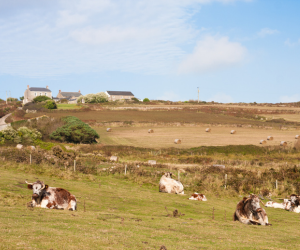
We first supported the couple in 2021 when they purchased a traditional Cornish smallholding on the Lizard Peninsula. Since then, they have invested significantly in the property, developed several complementary income streams and secured planning permission that has created a potential route to repay their borrowing.
They have now returned to UK Agricultural Finance for a new term facility of approximately £475,000 net, allowing them to refinance their existing facility, consolidate other borrowing, acquire adjoining agricultural land and begin works connected with an approved barn conversion.
The original purchase
The borrowers, a cohabiting couple in their fifties, originally purchased the property for approximately £400,000.
Their first UK Agricultural Finance facility provided approximately £230,000 net over a five-year interest-only term and enabled them to acquire the smallholding.
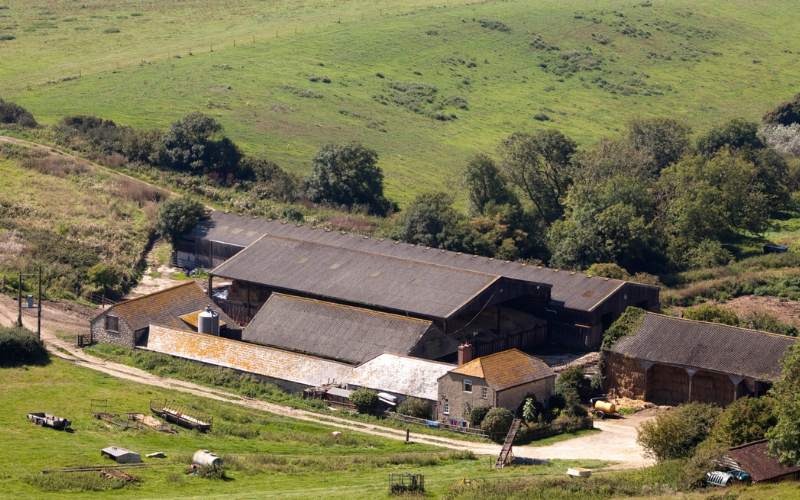
The property comprised a refurbished two-bedroom bungalow, which had originally been converted from a former dairy milking parlour, a one-bedroom annexe, traditional agricultural buildings and approximately seven acres of agricultural land.
Since purchasing it, the borrowers have continued to invest in both the property and their rural business.
Improvements have included refurbishment of the kitchen, bathrooms and living accommodation, alongside the construction of a new livestock and machinery building.
The couple have also developed a successful holiday letting operation from the annexe attached to their home.
A genuinely diversified rural business
One of the strengths of the proposition is the variety of income supporting the borrowers.
The male borrower operates a small beef cattle enterprise based around Aberdeen Angus and Friesian-cross cattle. Calves are purchased locally from dairy farms, reared using grass and home-produced forage and typically sold through the local livestock market or directly to other farmers at around 15–18 months.
Alongside farming, he generates income through agricultural contracting, digger driving, construction, carpentry and the manufacture and sale of garden furniture and other timber products.
His partner works off-farm in a medical role and manages the holiday letting business at the property.
The one-bedroom annexe has recently undergone further improvements, including a new kitchen and bathroom, and is marketed across several holiday accommodation platforms. Booking information reviewed as part of the new application demonstrated strong occupancy, repeat bookings and future reservations.
Together, these activities create several sources of income rather than leaving the borrowers dependent solely on what remains a relatively small livestock enterprise.
Purchasing land they already farm
Part of the latest facility will be used to purchase approximately 8.5 acres of adjoining pasture.
The borrowers already use additional grazing rented from family members and neighbouring landowners, and the land being acquired forms part of the acreage they currently rent.
Bringing it into their ownership should therefore provide greater security for the livestock operation, allow cattle numbers to increase as circumstances permit and reduce reliance on third-party grazing arrangements.
It should also save approximately £1,800 a year in rent.
The livestock herd is currently below its usual level while the borrower recovers from surgery, but the intention is to return numbers towards historic levels and expand the enterprise once the additional land has been acquired.
Consolidating borrowing and creating room for the next stage
The new facility is also intended to refinance the borrowers’ existing UK Agricultural Finance loan and consolidate approximately £100,000 of personal borrowing across the couple.
Debt consolidation is only one element of the transaction, however.
Approximately £45,000 is expected to be used to fund initial works associated with planning permission already secured on an agricultural livestock building within the security.
The borrowers have permission to convert the building into a substantial agricultural-tied residential dwelling.
This development opportunity is particularly important because it also forms the primary exit strategy for the new UK Agricultural Finance facility.
Creating a clear repayment route
The borrowers intend to carry out the works required to crystallise the planning permission before marketing the building and an associated plot for sale.
Local agency advice indicates that, once the consent has been implemented, the development opportunity could have a value in the region of £350,000, potentially more if additional land forms part of the eventual sale.
The proceeds would then be used to substantially repay the UK Agricultural Finance facility.
A secondary option is refinancing to a mainstream or specialist agricultural lender once the borrowers have consolidated their unsecured debts, strengthened affordability and created additional value through implementation of the planning consent.
This gives the transaction a clearly identified repayment strategy rather than relying solely on the ongoing income of the smallholding.
Supporting borrowers as their plans develop
For UK Agricultural Finance, one of the most encouraging aspects of this case is what has happened since the original loan was made.
The borrowers have maintained a satisfactory repayment history and demonstrated continued commitment to improving both their property and the businesses operating from it.
They have refurbished their home and holiday accommodation, constructed agricultural infrastructure, developed their livestock and contracting activities and secured a potentially valuable planning permission.
The latest funding should now allow them to consolidate the position they have built, secure additional agricultural land and take the first steps towards realising the value of that planning consent.
With diversified income across farming, contracting, construction, carpentry, employment and holiday accommodation, alongside an overall gross loan-to-value of approximately 53%, we were able to consider the proposition in the context of the whole rural business.
It is a good example of how a specialist agricultural lender can continue supporting borrowers as their requirements change.
If you are advising a farming or rural business that needs finance to purchase land, restructure existing borrowing or unlock the next stage of a diversification or development project, speak to UK Agricultural Finance about how we may be able to help.

Related Posts